The advent of new communication technologies has overshadowed the newsletter. Considered “old school,” this tool has even been the subject of controversy. However, the newsletter remains an indispensable part of any sales-oriented campaign. It has a significant impact on consumers; in 2019, 83% of French internet users relied on newsletters to interact with their favorite brands. The medium is increasingly breaking free from the spatial and temporal constraints that separate a company from its network. There’s no doubt that the tool will remain relevant for years to come—provided you know how to use it. So, how can you usethe newsletter as a communication strategy?
The Role of the Newsletter in a Communication Strategy
The newsletter sits at the intersection of communications and digital marketing, but what exactly is it?
What is a newsletter?
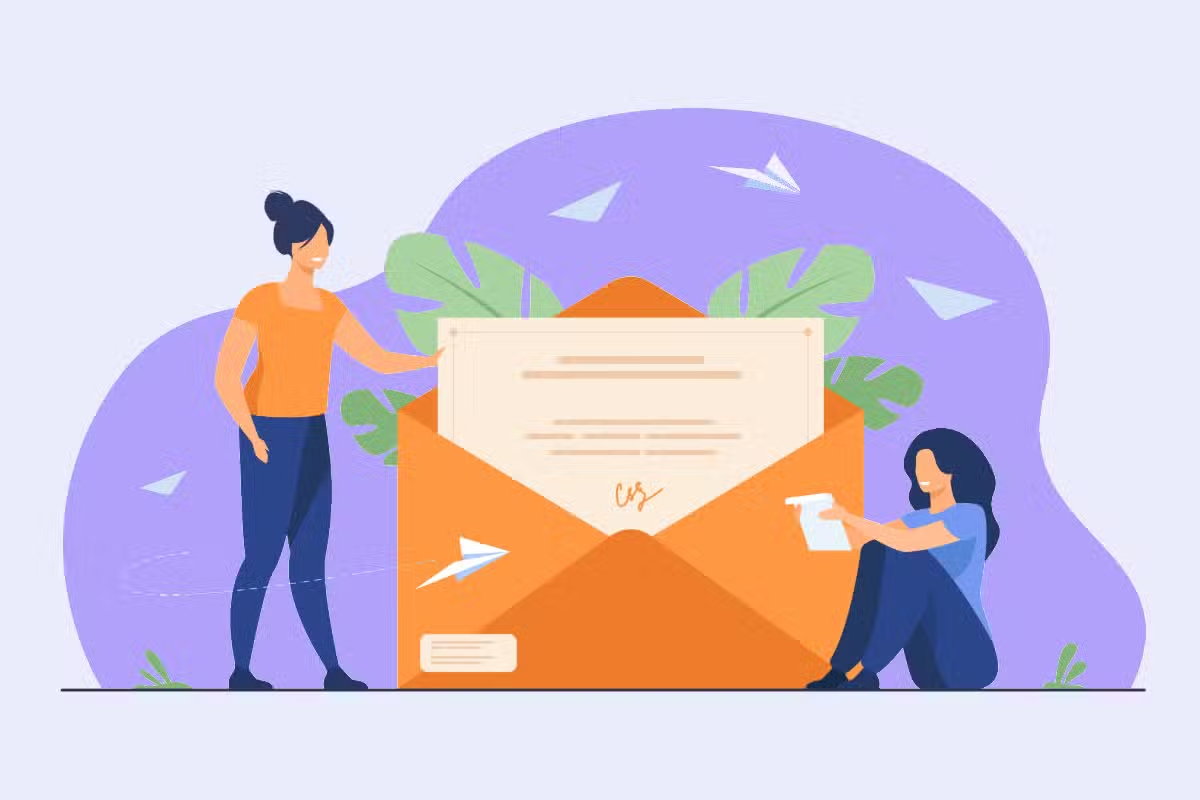
Literally meaning “information letter,” a newsletter is a digitalcommunication tool. It is often confused with “email marketing,” which refers to the processes involved in preparing, creating, and distributing the newsletter.
The toolsends messages electronicallyto a list of recipients pre-registered in the database. It disseminates information centered on a specific topic with the aim of capturing readers’ attention and sparking their interest. The newsletter is also used for promotional purposes.
Popular with businesses, the newsletter instantly reaches audiences around the world with just a few clicks.
What type of newsletter is used in a communication strategy?
Newsletter categories fall into five main groups:
- the standard newsletter;
- email marketing;
- service emails or transactional emails;
- a prospecting or acquisition email;
- reminder emails.
A traditional newsletter provides a specific audience with advice, news, and relevant information about the company.
As part of a customer retention strategy, email marketing plays a role in upselling and cross-selling techniques. While upselling aims to sell a product of greater value than the one initially viewed, cross-selling involves adding a complementary product to the customer’s shopping cart when they purchase an item.
Service emails refer to confirmation messages sent to a user following an action on their part.
The prospecting and acquisition email is sent to a list of qualified contacts. It is aimed at prospects who are receptive to the brand and encourages them to purchase a product or request a service.
As the name suggests, a follow-up email reengages inactive prospects and former customers.
How does the newsletter work?
The newsletter operates onan opt-in basis. In other words, it is intended solely for aconsenting audience thathas previously agreed to provide their email address.
Collecting email addresses provides an opportunity to promote your offerings, demonstrate your expertise, and build trust with your community. It requiresrelevant, engagingcontentconsisting of high-quality text accompanied bycompelling images. These are, in fact, the key ingredients of asuccessful marketing strategy.
A newsletter featuring high-quality content will also boost your company’sdigital visibility. It will attract more prospects and expand your audience. However, newsletters must be handled with care, or they may have the opposite effect.
What is the purpose of a newsletter in a communication strategy?
Marketing experts place great importance on sharing information. According to industry experts, sharing data helps build aconnection with the audience. Theconnection between the brand and internet usersis precisely at the heart of a communication strategy based on newsletters. Its goal is also to build loyalty within your network and convert your prospects into customers.
Newsletters are less volatile than social media posts. Their open rate exceeds the engagement rate of users on a Facebook or Instagram page.
See also: How to Handle Negative Reviews on Social Media and Google?
How do you develop a communication strategy centered on a newsletter?
Newsletters are a surefire way to build customer loyalty, but you still need to know the best approach to take when creating them.
Set Your Campaign Goals
Developing yourcampaign objectiveshelps you avoid wasting time and marketing budget. These objectives will play a key role in shaping thecontent of the letterwhile ensuring the entire campaign is coordinated.
Clearly, subscribers already have some idea of what your company is like—whether through social media, your website, search engines, or word of mouth. Their decision to subscribe to your newsletter demonstrates an initial interest in what you have to offer. The goal of this initiative is to deepen their understanding of your brand before they make or repeat a purchase. In both cases, thenewsletter will provide additional information,convince prospects, andbuild customer loyalty. It will also help establish a close relationship with your target audience.
Create a mailing list
The newsletter follows the principles of the communication model. It includes: a sender who sends a message to a recipient through a communication channel. The procedures emphasize the importance of amailing list.
Having a mailing list is good, but having a list ofqualified prospectsis better—which is why filtering is so important. Filtering will separateresponsive prospects(qualified prospects) from inactive ones. It will make it easierto personalize the newsletterand increase its impact.
Increase the number of subscribers
There are many techniques for increasing the number of subscribers in your database. You caninvite customersand regulars at your store to sign up for your newsletters. They’ll be willing to accept the request. In this case, incorporate the subscription invitation into the checkout process. For example, you can include a checkbox that reads, “I agree to receive information about offers and news.”
Another method involvesplacing the sign-up form onyourwebsite’s homepage. To encourage sign-ups, offer new visitors a small reward in exchange for their email address (a welcome gift, a discount on a product, a white paper, etc.).
Create an Eye-Catching Newsletter Design
Thevisualdesignof a newsletteris very important. It entertains readers and enhances the content.
You don't need to be an expert in HTML coding to create an attractive design. The Internet offers a wide range ofprofessional email marketing tools, such as:
- Mailchimp;
- Sendiblue;
- Mailjet;
- Blowgun.
These computer programs are user-friendly and easy to learn. They includeready-to-use newsletter templates.
To ensure consistency between your campaign goals and your design, follow your company’sbrand guidelines. Create a clean layout with a simple design, a light background, and a color palette limited to 2 or 3 shades.
Pay Attention to the Content of the Message
Content is the key to persuading the reader. It needs to be impactful enough to generate and sustain interaction between the sender and the recipient. It calls for aunique style.Authenticityis the Holy Grail of a newsletter. It sets your message apart from spam and boosts the open rate.
Use acatchy headline. Tailor thetone of your messageto the desired outcome. Create a compelling narrative to highlight the merits of your products. Focus on originality to promote your brand. Add value by including helpful tips and advice.
Insert a CTA
ACTA(Call to Action) refers to abuttonin the newsletter that directs the reader to your website or a specific page. It also takes the form of a button that prompts the reader to take a specific action.
For it to be effective, it should include acall-to-actionsuch as “Don’t wait any longer to…,” “Try…,” or “Click here to….” Some companies opt for a more subjective approach, such as “I’m discovering…,” “I’m subscribing to…”…
Pay close attention tothe design of the CTA. It should stand out from the rest of the content and be placed at the end of the message.
Optimize the content for mobile devices

According to a 2021 studyby Digital Report and We Are Social, more than 5.22 billion people use a mobile device. The survey reveals that 9 out of 10 users use their cell phone, smartphone, or tablet to connect to the Internet and check their email. Based on this study, creating mobile-friendly content is essential.
This strategy will capture readers' interest. It will improve your subscription rate. It will provide anoptimal user experience.
Follow the steps for creating a newsletter
Defining your objectiveskicks off the creation process. This step prompts you to answer the following question: Is the newsletter intended to promote or to inform?
Next comestarget selection, a key step in the success of the communication strategy. The initial objectives determine the targeting, which in turn ensures that the message is tailored to the audience.
The third step involves the actualwritingof the content, which consists of the subject, the message, and the call to action.
Layoutcomes after writing. It incorporates the visual elements of your newsletter. At this stage, tools for editing, creating, and applying newsletter designs come into play.
Submitting the content marksthe end of the process. However, atestis necessary to check for and correct any errors (non-responsive format, content size, broken links, etc.).
Choosing the Right Time to Send
Timingis a key factor in the success of your newsletter communication strategy. It involves two important variables:email frequencyandsend time. Frequency refers to the number of emails you send to your subscribers. It depends on your production capacity as well as current events within your company.
The send time indicates when the message was received. Every profile has its own habits. Professionals tend to check their emails in the morning at their desks. Individuals check their inboxes during their lunch break, in the evening, or on weekends. So tailor your schedule to your target audience’s routine.
What benefits does a newsletter offer as part of a communication strategy?

The newsletter highlights a range of benefits that will serve your company’s interests as part of your promotional campaign.
Attract Visitors to Your Website
The instant and rapid dissemination of information is the main advantage of a newsletter. It offers a twofold benefit for your business. It encourages prospects and customers tolearn more about your brandand your offerings. It also boosts yourorganic search engine optimization, since search engines factor your website’s traffic into their rankings.
Increased trafficto your website will enhance thevalue of your content—blog posts, company news, infographics, videos, market research, and more. It puts your content front and center in the digital landscape and will help you achieve your business goals.
The Newsletter: A Tool for Building Customer Loyalty
A newsletter is a powerful tool forbuilding loyalty among prospects. That, in fact, is the reason for its success. Compelling messages highlight the quality of your products or services. Signing up is the first step towardembedding your brand in subscribers’ minds. Furthermore, sending newsletters on a regular basis maintains and strengthens your close connection with your network.
The tool is also a powerfulsales driver. Its ability to retain customers ensures rapid and widespread growth in purchases. This significant sales power is why the newsletter has become an integral part of the middle stage of the conversion funnel. Having demonstrated loyalty to your brand, subscribers will go through with the purchase.
The Newsletter: A Tool for Sharing
The newsletter isdesigned to encourage sharing. In addition to promoting your offers, itallows you to share your thoughts and feelings withyour target audience.
The primary purpose of the newsletter is to resonate with the target audience through rich, engaging, and impactful content.
Beyond its marketing purpose, the newsletter is intended as a way to share values and bring together a community united by the same philosophy.
A way to assert your legitimacy
Some leaders suffer fromimposter syndrome. They feel they lack the legitimacy to work in their field. However, this newsletter will free you from these negative thoughts.
Creating content encourages you to invest in your business, refine your processes, and deepen your knowledge. These steps are the first step towardbuilding yourskills. They reinforce your credibility and establish your legitimacy.
Newsletters reinforce your expertise in your field and position you as a leader in your market. Over time, you’ll even become a go-to resource for consumers.
An affordable and cost-effective communication technique
Affordability isan undeniable advantage of newsletters. For maximum impact, the communication strategy requires only asmall budget. Even so, developing it requires a fewlevels of service:
- purchasing or subscribing to a computer program designed specifically for creating newsletter layouts;
- outsourcing the creation of text content (optional);
- the layout process.
The final cost of a newsletter depends on the service fees charged by the provider(s) responsible for setting it up. In every respect,using a newsletter guarantees a quick return on investment.
A strategy anyone can follow
Newsletters are atechnique accessible to all users. Creating them is easy and requires only minimal computer and technical skills. Moreover, using the many available software tools will automate these tasks.
Overall, the newsletter is an essential component of your digital communication strategy. Utilizing a widely popular channel, it relies ondirect contact with customers.
The Newsletter: At a Glance
Usinga newsletter as a communication strategyis the best way to promote your business, products, and services. This approach also helps build a close relationship with your target audience.
As a reminder, a newsletter is a means of disseminating information electronically to a specific list of recipients (subscribers). It comes in several forms: email marketing, traditional newsletters, service emails, prospecting emails, and follow-up emails. The process essentially involves collecting email addresses to send messages on a regular basis.
Its success is based on a series of techniques. It begins with defining the objectives of the communication campaign and creating a mailing list. It involves using several strategies to increase the number of subscribers. It involves creating a compelling design, rich, relevant, and mobile-friendly content, as well as including a call-to-action at the end of the message.
A newsletter offers several benefits. It attracts visitors and prospects. It builds customer loyalty. Cost-effective and easy to implement, it serves as a tool for sharing information and a way to showcase your expertise.
What do you think of the newsletter? Would you use it as part of your communication strategy? Share your thoughts in the comments.