Connecting to a database is an important step for most websites, especially those that use a CMS like WordPress. However, errors sometimes occur during the process, which can be frustrating and discouraging. This article will help you understand the common causes of these connection issues, provide solutions to resolve them, and show you how to avoid them in the future.
Whether you're a beginner or an experienced WordPress user, the approaches discussed in this article should provide you with the information and tips you need to effectively handle any database issues.
Common Causes of Problems Connecting to a WordPress Database

Incorrect login credentials
A common issue that can cause a database-related error in your WordPress site is the use of incorrect credentials. To function properly, your site needs to connect to its MySQL database using specific information, such as a username and password. If this information is incorrect or has been changed since your site was created, the data won’t load properly, and you’ll see an error.
It is also important to note that, for security reasons, it is recommended that you change your password regularly and choose a strong, unique password. This will help protect your site from hackers and prevent any issues related to incorrect login credentials.
Corrupted database
Database corruption is a well-known problem that can affect any website. It can be caused by many factors, such as frequently installing and uninstalling themes and plugins, or accidentally deleting certain data. If you encounter an error when trying to log in to your site, your database may be corrupted.
An error when connecting to a corrupted database can also be caused by internal issues, such as a missing table or—as the name suggests—a corrupted table. This can lead to other problems with your website’s operation, such as page-loading errors or performance issues with your WordPress site.
Malicious WordPress Files
It is common to encounter the message “ Error establishing a connection to the database " when using WordPress. This error can be caused by many factors, including corrupted WordPress files, an FTP transfer issue, a hacking attack on your site, or a problem with your hosting provider. If you have corrupted files on your site, you’ll see an error when you try to access your dashboard. Fortunately, you can quickly resolve this error by reinstalling WordPress.
Problems with the database server
One fairly common cause may be related to the server itself, often due to a traffic spike on your website. This can result in slow response times and even issues with your WordPress site’s database.
This problem often occurs when there are too many simultaneous requests, especially if you're using shared hosting, since the servers are shared by many users and may not be able to handle a large number of simultaneous requests without crashing the system.
How can you fix most of these errors?
Verify the credentials used to connect to the database
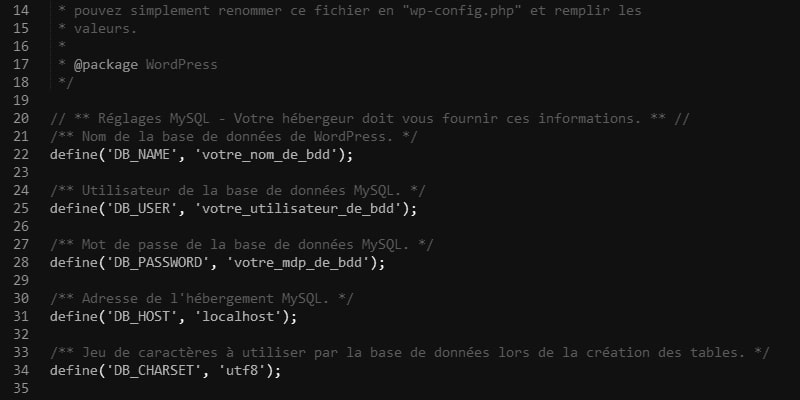
If you want to make sure that your login credentials aren’t preventing you from connecting to your database, you should check the“wp-config.php” file —which is usually located in the root directory of your WordPress site—for any errors. It contains four pieces of information that are essential for connecting to your database: the database name, the username, the password, and the hostname (server).
To access“wp-config.php,”you can use a client like FileZilla to connect to your site and navigate to the root directory of your site. You can also use cPanel’s“File Manager” tool to access it. Once you’ve opened it, you need to verify that the values match those of your server. If they don’t, edit them to ensure they’re correct. Here’s what it might look like in your“wp-config.php”:
/** The name of the database for WordPress */

define('DB_NAME', 'xxxxxx');

/** MySQL database username */

define('DB_USER', 'xxxxxx');

/** MySQL database password */

define('DB_PASSWORD', 'xxxxxxxxx');

/** MySQL hostname */

define('DB_HOST', 'localhost');
This code defines the login credentials in your“wp-config.php” file. If you encounter an issue, it may be helpful to verify that this information is correct and up to date. If you have forgotten your username or password, you may need to contact your hosting provider or a system administrator for help resetting these credentials.
Troubleshooting Issues with Corrupted Databases
You may need to completely repair the database if you encounter a corruption issue with your WordPress installation; you can use WordPress's repair mode, cPanel, or WP-CLI to repair your database.
WordPress Repair Mode
WordPress has a built-in mode for repairing a database, and you can use it to resolve your issue. To enable this mode, you need to add the following line to your“wp-config.php” file:
define('WP_ALLOW_REPAIR', true); Next, go to the following address on your WordPress site:
/yourdomain.com/wp-admin/maint/repair.php.
You can then choose to run a simple repair or repair and optimize it at the same time. Since you’re probably troubleshooting your site right now, we recommend using the simple repair option, as it’s faster.
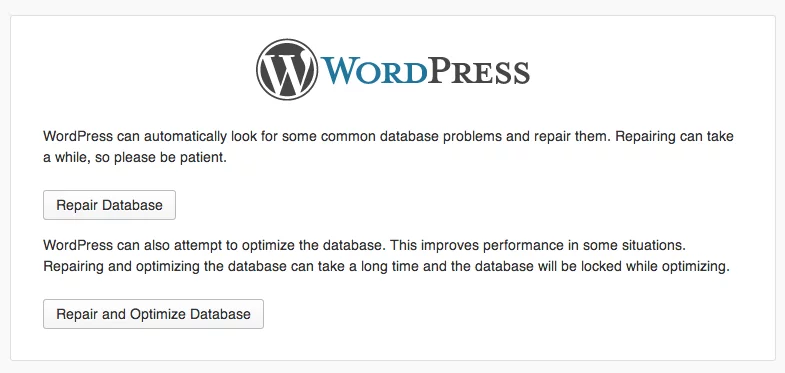
Once the database repair is complete, don't forget to delete the line of code you added to your“wp-config.php” file. Otherwise, anyone will be able to access the repair.php page.
Cpanel Repair Method
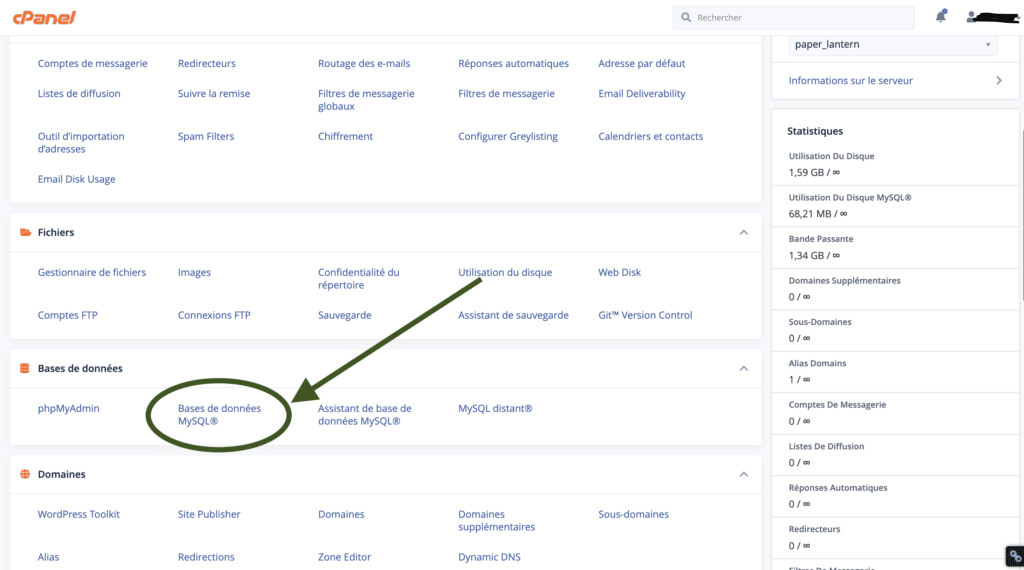
If you use cPanel, you can also run a repair from the MySQL databases screen.
Here's how to troubleshoot using cPanel:
- Log in to your cPanel and go to the "MySQL Databases"section.
- Select the database you want to repair from the list of available databases.
- Click the "Repair Database" button at the top of the page.
- You should see a confirmation message indicating that the database repair has started. This may take some time, depending on the size of your database.
It is important to note that“repairing”does not guarantee that all lost data will be recovered.
Here is an example of SQL code that can be used to repair a MySQL database:
REPAIR TABLE nom_de_la_table; WP-CLI Repair Method
Finally, you can also run a repair using WP-CLI with the following command:
wp db repairFeel free to take this opportunity to optimize your database from time to time to ensure your site runs smoothly. You can do this by using the“Repair and Optimize” option via WP-CLI with the following command:
wp db optimize We recommend that you back up your database regularly to prevent data loss in the event of corruption or any other issues. You can useWordPress’s built-in backup tool, a third-party backup plugin, or an external backup solution.
Hire an expert web design agency
To avoid any errors when connecting to your WordPress database, it is sometimes best to consult WordPress experts , as you risk making the situation worse. An agency like Ingenius can help you resolve any issues related to your database and effectively manage all other aspects of your site.
In addition, if you've used our WordPress agency, we guarantee that you’ll be protected against these kinds of issues—a guarantee of security and the assurance that our teams will proactively address all such problems.
In summary, how can I fix database connection errors?
There are many reasons why you might encounter problems with your database. It’s a good idea to check the most important points to rule them out one by one during the diagnostic process.
To resolve these errors, you’ll need to identify the underlying cause and take the necessary steps. This may include verifying and correcting your login credentials, repairing or restoring your database, checking your FTP and repairing or replacing any corrupted files, cleaning up and strengthening your site’s security in the event of a hack, or contacting your hosting provider ’s technical support if the server is malfunctioning.
- Incorrect login credentials: To function properly, your site needs a username and password to connect to its MySQL database. If these credentials are incorrect or have been changed, your site will not work and you will see an error message.
- Database corruption: This can be caused by frequently installing and uninstalling themes and plugins, or by accidentally deleting certain data. If your database is corrupted, you may experience problems loading pages or a loss of performance on your site.
- Corrupted WordPress files: These can also cause login errors. If you have corrupted files on your site, you’ll see an error message when you try to log in. Issues with uploading files or FTP transfers can also cause this problem.
- Hacking: A hacker attack could also be the cause of this problem. If your site has been hacked, you’ll need to clean it up and strengthen its security.
- Hosting: Poor hosting or a misconfigured environment can also cause this error. If you’re experiencing issues with your hosting provider, you’ll need to contact their technical support for assistance. You can also contact aWordPress support service to handle your issue.
By following these tips, you should be able to effectively resolve WordPress database errors. Whether you’re a beginner or an experienced WordPress user, this article has provided you with the insights and tips you need to handle these kinds of issues. Be sure to follow these tips and make regular backups to avoid problems in the future, and feel free to schedule a free call with our team to ensure you’re covered in case of any such issues.
Do you have any tips for resolving database errors?
Have you ever encountered this type of issue, and if so, how did you resolve it?
We’d love to hear your thoughts on this—please leave a comment below!